JS Bach - Keyboard concerto in F minor, BWV 1056
Carmen Rodríguez-Peralta, solo piano
Among the most beloved of Bach’s keyboard concertos, the Concerto in F Minor, BWV 1056, combines dramatic intensity with lyrical beauty. Composed during Bach’s years in Leipzig in the 1730s, the work is believed to have been adapted from an earlier concerto, possibly written for violin. The outer movements are energetic and concise. The opening movement presents a vigorous dialogue between soloist and orchestra, while the finale sparkles with rhythmic drive and virtuosity. Between them lies one of Bach’s most famous slow movements: a serene, singing melody unfolds above a gently pulsing accompaniment, creating an atmosphere of profound calm and introspection. Though written nearly three centuries ago, the concerto remains remarkably fresh, showcasing Bach’s unmatched ability to blend technical brilliance with deep emotional expression. Its balance of drama, elegance, and lyricism has made it a favorite of performers and audiences alike.

Paraskevas - A Night with the Aristocrats
The guitar part came to me first, inspired by one of my 24 Studies for Guitar. For a while, I wondered if a melodic line should be added to this section to form a duo. A request from my dear colleague Corey Whitehead for a duo plus strings led me to orchestrate it this way. The piece begins with a meditative introduction before the main section develops a dance idea between the two instruments and the string orchestra, almost humoresque, which transitions into a pensive solo line for the flute, repeating like an unanswered question. Could someone please answer? The strings play a vital role in balancing the ensemble and serve as one of three supporting forces. My compositional style varies: sometimes folkloristic, inspired by my Greek heritage; sometimes centered around tonal regions; and sometimes simple, based on just a few key notes, all driven by programmatic ideas from everyday life.
— Apostolos Paraskevas
McLoskey - I Heard The Children Singing
Winner of the 2026 LCO Call-for-Scores
I Heard the Children Singing is a concerto for violin and orchestra composed in four movements. The music is inspired by the 19th-century hymn “The Holy City,” written in 1892 by Edward Weatherly and Michael Maybrick. In the opening movement, the solo violin gradually descends from its highest register, while the orchestra creates tumultuous passages that often overshadow it. This leads into the energetic and frantic second movement, which has a lively scherzo character. In the closing movement, the orchestra introduces a lyrical melody that appears in various forms throughout the section. Eventually, this melody captures the attention of the soloist, who joins in a full ensemble refrain. The piece culminates in a vibrant finale where all the previous musical elements come together in an exhilarating conclusion.
Respighi - Antiche arie e danze, Suite No. 3, P. 172
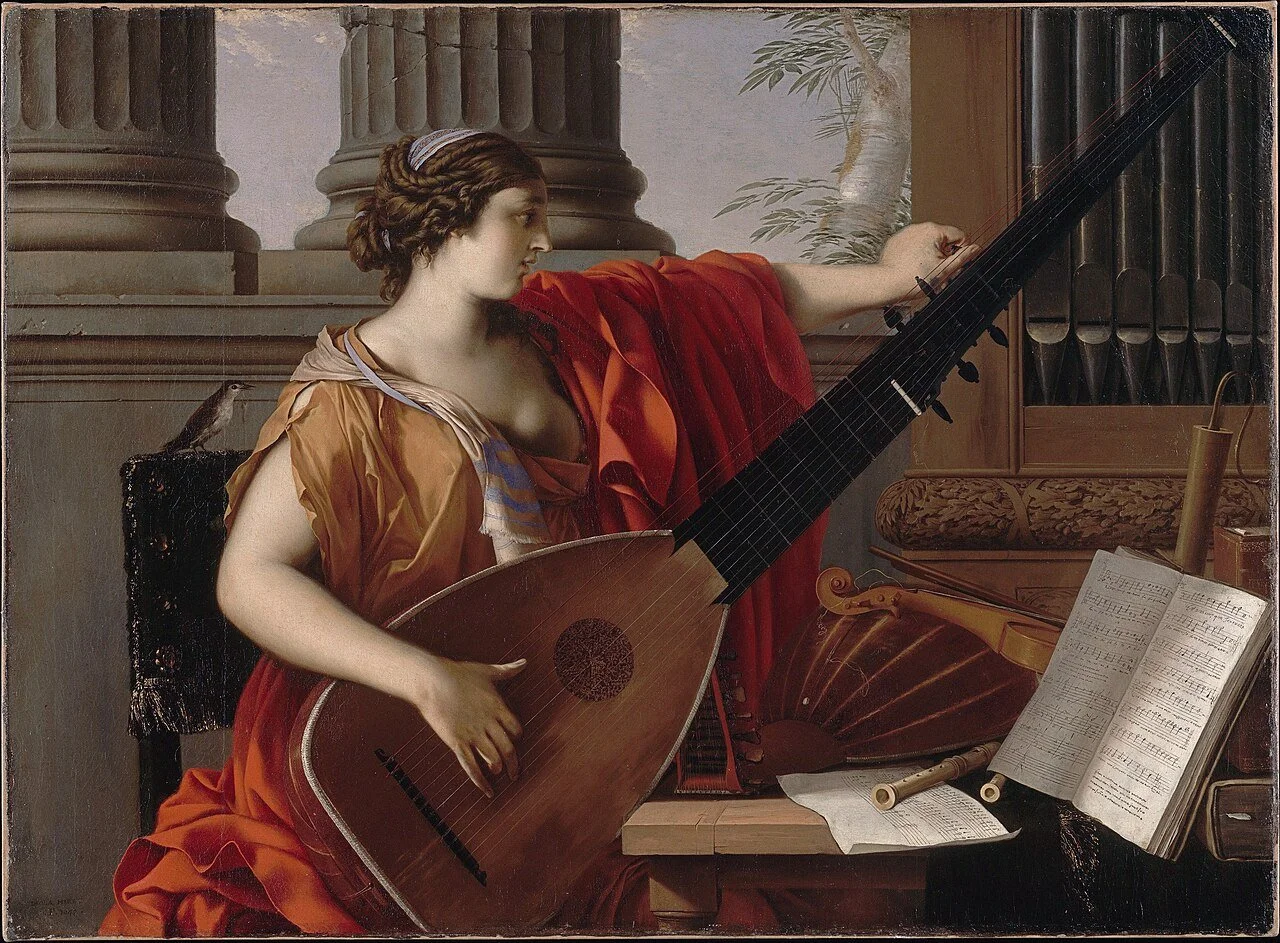
Modern audiences, particularly outside academic settings, are most familiar with music from the late eighteenth through twentieth centuries. Although the early music movement has flourished for decades, works written before J.S. Bach remain comparatively underperformed. One reason is that much of this repertoire was composed for small chamber ensembles, lutes, guitars, keyboards, and other instruments of a musical world that predated the modern orchestra. Dance music was especially important, serving both social and artistic functions. The minuet movements found in symphonies by Haydn and Mozart are among the last traces of this once-dominant tradition. Ottorino Respighi’s Suite No. 3 revives this rich heritage through imaginative orchestral arrangements of Renaissance and Baroque music. The opening Italiana is a graceful anonymous melody, followed by seven brief court airs by Jean-Baptiste Besard that form a miniature dance suite. The third movement, a gentle anonymous Siciliana, features the lilting dotted rhythms of a dance style that survived well into later musical eras. The suite concludes with a lively Passacagliaby Ludovico Roncalli, built on a series of recurring harmonic and melodic patterns. Respighi’s adaptations brilliantly reimagine early music for the modern string orchestra. His lush and expressive settings preserve the character of the originals while introducing this remarkable repertoire to new audiences.
This concert is part of Middlesex Community College’s “A World of Music” Concert Series